


When disaster strikes, connectivity becomes the backbone of response operations. Whether coordinating first responders, enabling telemedicine, or restoring essential services, every minute without communication slows recovery efforts.
Starlink has quickly become a preferred solution for emergency connectivity, but speed of deployment depends on more than just the satellite service. The real advantage comes from how quickly you can transport, set up, activate, and manage the system in the field.

Here’s how to achieve the fastest possible Starlink deployment for disaster recovery—and how leading organizations are accelerating response times even further.
1. Start with a Truly Portable, Ready-to-Go Kit
The fastest deployments begin before arrival on site.
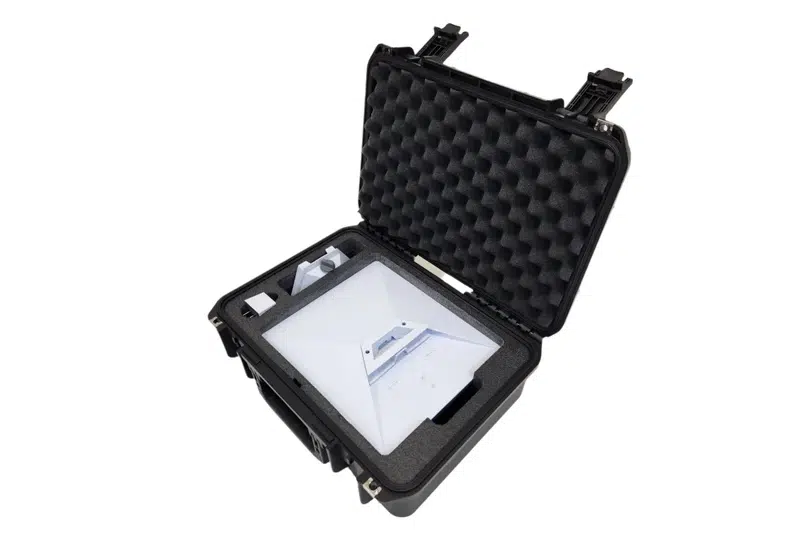
A typical Starlink installation can involve multiple components, spanning everything from terminal and router, to cables, which can slow teams down if not pre-configured. In disaster environments, time spent unpacking and organizing equipment matters.
That’s why many emergency teams now rely on pre-integrated, ruggedized travel kits:
- All components stored in a single, protective case
- Designed for rapid mobilization into disaster zones and remote locations
- Built to withstand harsh environments with waterproof and dust-tight construction
Solutions like Speedcast’s rugged travel case are purpose-built so teams can transition from transport to live connectivity without delay, removing friction at the most critical stage.

2. Enable Single-Person Setup in Minutes
In a disaster scenario, resources are limited. You can’t assume technical specialists, or even multiple people, will be available for support.
The fastest deployments are those designed for simplicity and autonomy:
- Single-person setup
- Minimal configuration steps
- Pre-integrated system components
Modern rapid deploy kits achieve assembly in under 15 minutes with minimal maintenance, dramatically reducing setup time compared to traditional satellite systems.
Combined with Starlink’s self-aligning terminals, responders can quickly establish a reliable connection, even in unfamiliar or challenging environments.

3. Choose Solutions Optimized for Emergency Logistics
Speed of setup is only part of the equation. Speed of delivery matters just as much.
In large-scale disasters, equipment may need to be shipped across regions or globally within hours. Organizations with established logistics capabilities gain a major advantage.
Key capabilities to look for include:
- Global warehousing and staging
- Pre-configured kits ready for immediate shipment
- Proven ability to deploy at scale
In real-world disaster scenarios, Speedcast has demonstrated the ability to deliver and activate hundreds of Starlink kits within 24 hours to restore critical connectivity in affected regions.
This combination of inventory readiness and logistics coordination is often what separates fast responders from delayed operations.
4. Simplify Activation and Network Integration
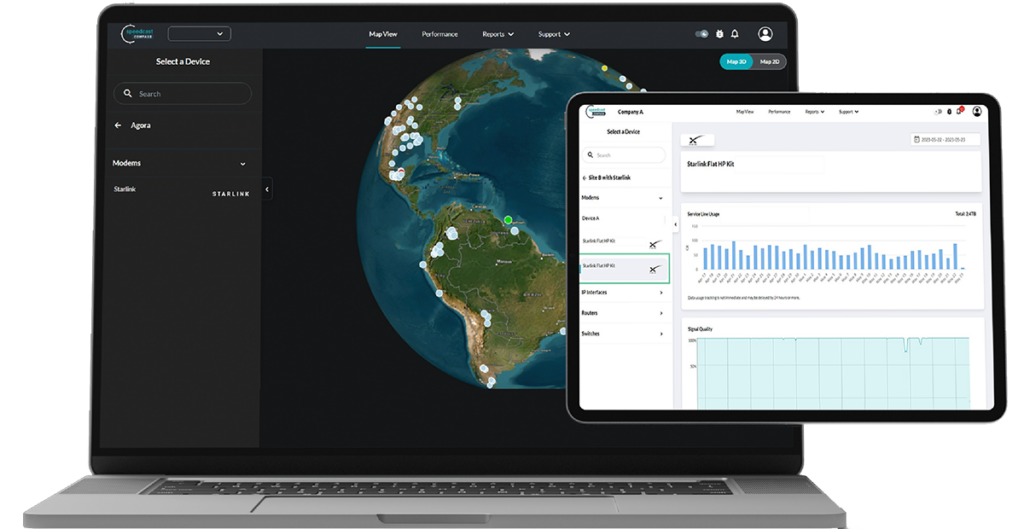
Setting up hardware is only half the job. Getting the service live can introduce delays if not properly streamlined. With the right solution, teams can move from physical setup to a fully operational network in minutes, supporting:
- Voice and video communications
- Incident command systems
- IoT and field monitoring
- Cloud-based applications
This is especially critical for mobile command units and temporary field operations, where infrastructure must be established from scratch.
5. Monitor and Manage Everything in Real Time
Once connected, visibility becomes essential.
Disaster response operations evolve quickly, and without centralized monitoring, teams risk outages, congestion, or performance degradation at the worst possible time.
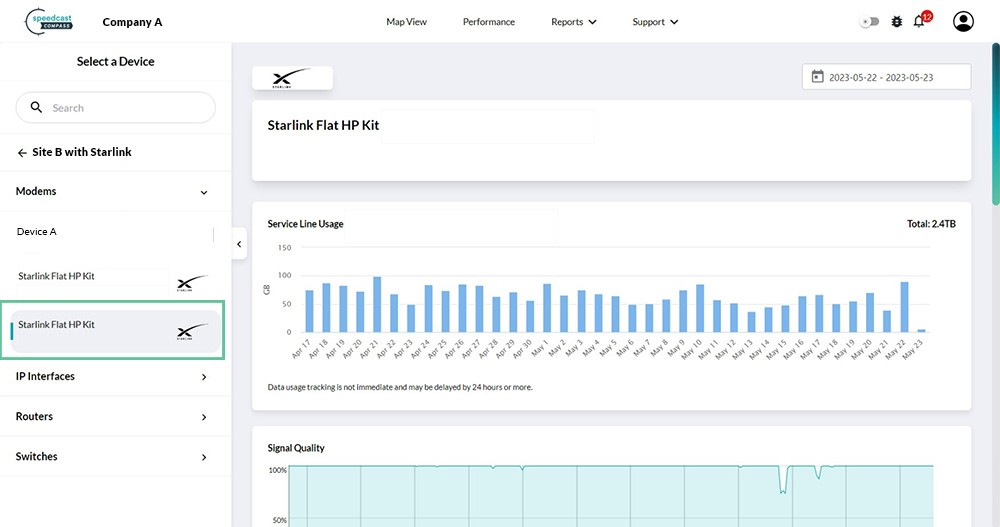
This is where enterprise-grade tools like the Speedcast Compass portal make a difference:
- Near real-time visibility into bandwidth, latency, and signal quality
- Ability to activate or deactivate terminals instantly as needs change
- Centralized dashboards to monitor all deployed sites from a single screen
- Built-in alerts, reporting, and case management for faster troubleshooting
For larger disaster responses involving multiple sites, Compass provides executive-level dashboards and operational control, ensuring every location remains connected and fully optimized.

6. Think Beyond Connectivity: Ensure Operational Continuity
The fastest setup is not just about getting online, it’s about staying online.
Resilient disaster recovery strategies often combine:
- Starlink for high-speed LEO connectivity
- Additional satellite or cellular links for redundancy
- Intelligent network management for failover
Speedcast’s broader ecosystem integrates these elements into a complete, managed connectivity solution, helping organizations maintain uninterrupted operations even in the most unpredictable environments.
Why Speed Matters More Than Ever
In emergency response, connectivity is no longer a luxury, it’s a lifeline.
The ability to deploy Starlink quickly can mean:
- Faster coordination between response teams
- More efficient resource allocation
- Improved safety for personnel on the ground
- Better outcomes for affected communities
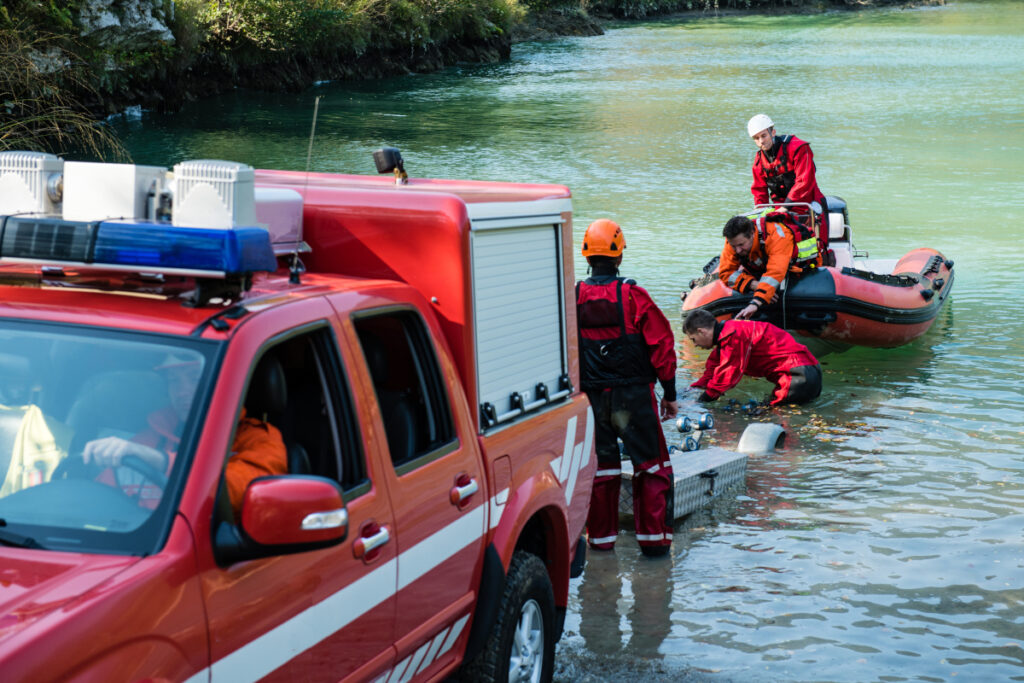
By combining portable, rugged deployment kits, global logistics readiness, and centralized monitoring through the Compass portal, organizations can dramatically reduce deployment time, and maximize impact when it matters most.
With the right approach and partner you can go from arrival on site to live connectivity in minutes, not hours.
Be ready before the next disaster strikes.
Speak to Speedcast today and ensure your response teams can deploy, connect, and operate without delay.