

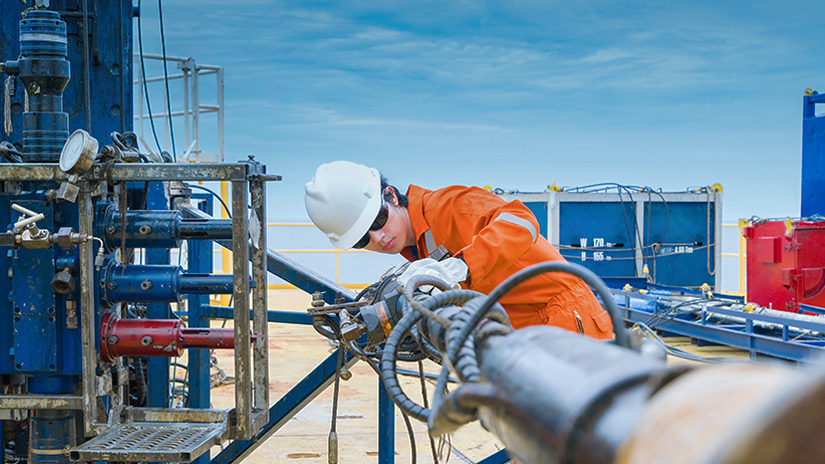
Unmanned offshore platforms are designed to reduce cost and improve efficiency, but they introduce a critical dependency: real-time remote site awareness. You must be able to see what’s happening remotely, at all times.
When visibility drops, risk rises. Safety decisions slow down. And operations become reactive instead of controlled.
So how do you eliminate blind spots without overhauling your entire connectivity infrastructure?

The Hidden Risk Behind “Limited Visibility”
For many offshore operators, the issue isn’t a complete lack of connectivity, it’s that existing networks can’t support meaningful visibility.
That was the reality for a British energy operator in the North Sea, managing a mix of offshore and onshore assets across Europe and the US. Despite having connectivity in place, their unmanned rigs faced persistent visibility challenges:
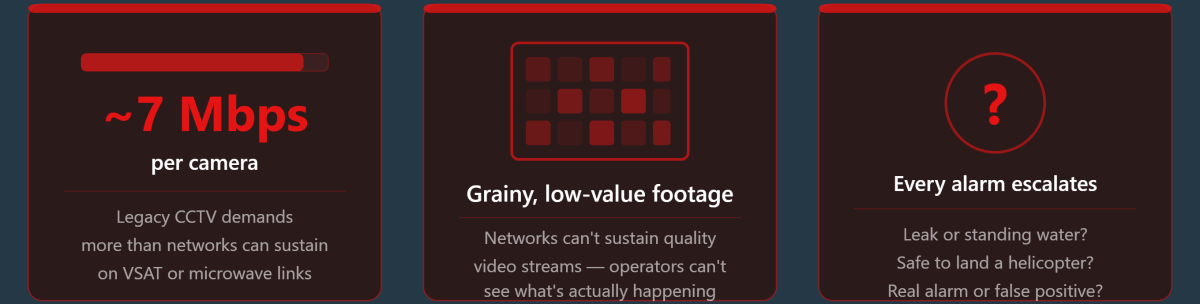
- Legacy CCTV systems required high bandwidth (~7 Mbps per camera)
- Microwave and VSAT links couldn’t sustain quality video streams
- Operators were left interpreting grainy, low-value footage

At critical moments, this created uncertainty:
- Was that standing water, or a hydrocarbon leak?
- Was it safe to land a helicopter?
- Was an alarm real, or just a false positive?
Without clear answers, every alert became a potential escalation.
When Connectivity Fails, Blind Spots Become Dangerous
The risks became more acute when subsea cable issues disrupted primary communications to several platforms.
With connectivity down:
- CCTV feeds went completely dark
- Rigs that were often unmanned for weeks lost all visual oversight
- Safety and environmental risks increased immediately
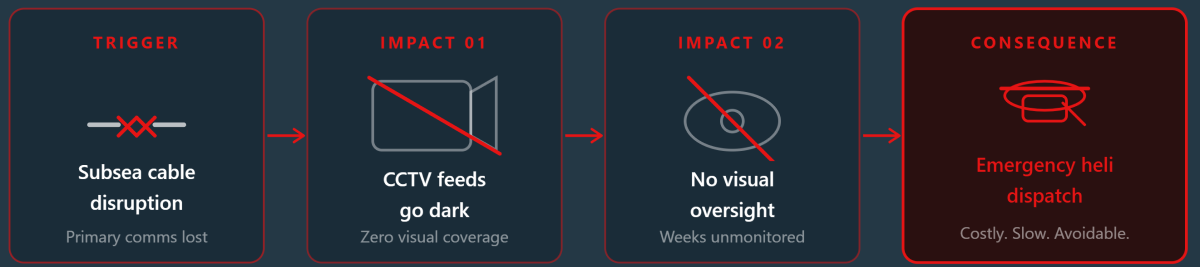
Without visibility, the only fallback was to dispatch emergency helicopter inspections, which proved to be a costly and time-consuming response often triggered by uncertainty rather than verified need.
This is the tipping point many operators face: When you can’t see, you have to assume the worst.
Rethinking the Problem: It’s Not Just About Bandwidth
A common instinct is to solve this with more bandwidth. But in offshore environments, that approach is expensive, complex, and not always scalable.
A better question is:
How can you deliver reliable, actionable visibility within the bandwidth you already have?
This shift from capacity to optimization is what changes the game.


By combining resilient connectivity with edge intelligence, the operator transformed its approach to remote monitoring.
The deployment included:
- Hybrid connectivity (Starlink, microwave, satellite VSAT)
- SD-WAN optimization via the SIGMA intelligent edge platform
- A fully integrated SmartView video solution
The results were immediate and measurable
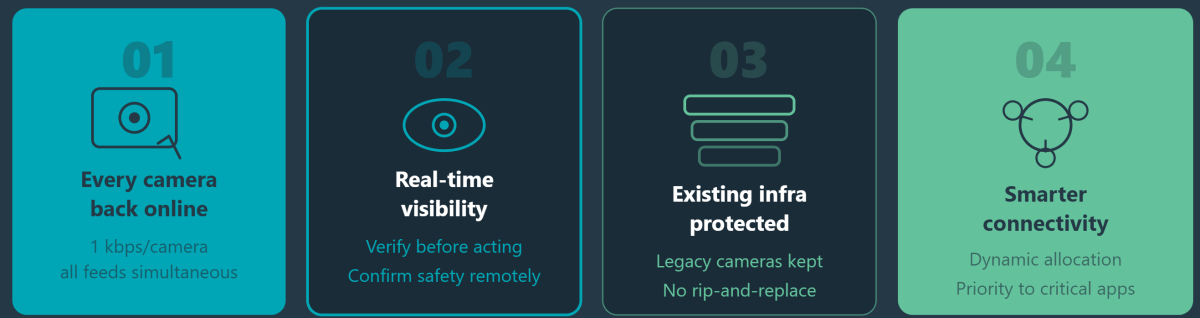
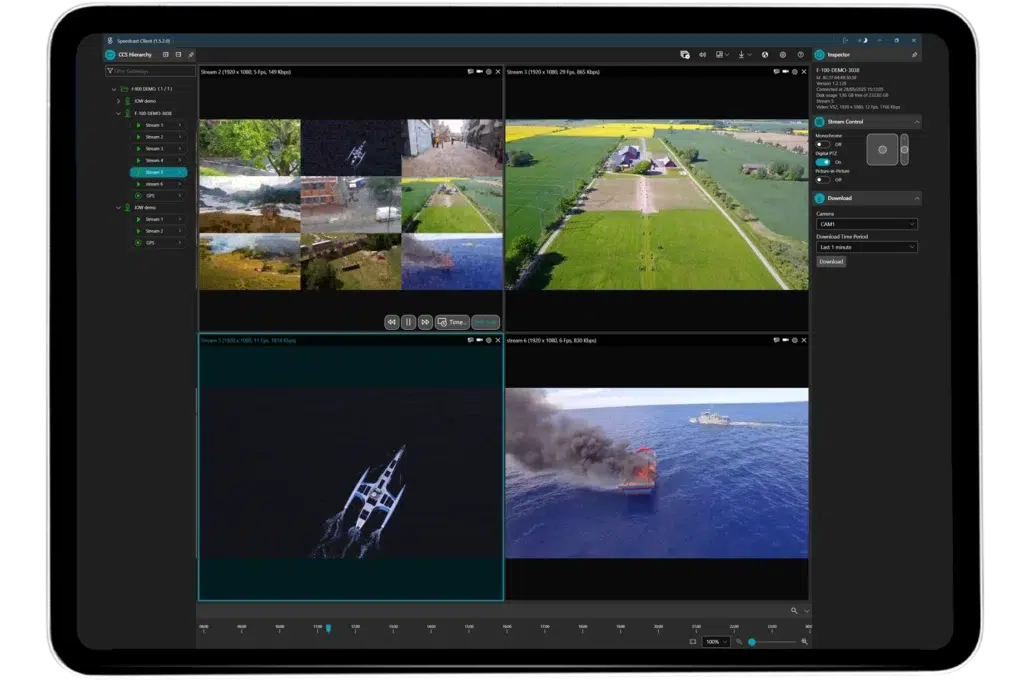
2. Visibility became real-time and reliable
Operators could remotely verify conditions on unmanned rigs:
- Distinguish real incidents from false alarms
- Confirm safety before dispatching personnel
- Respond faster with greater confidence
3. Existing infrastructure was protected
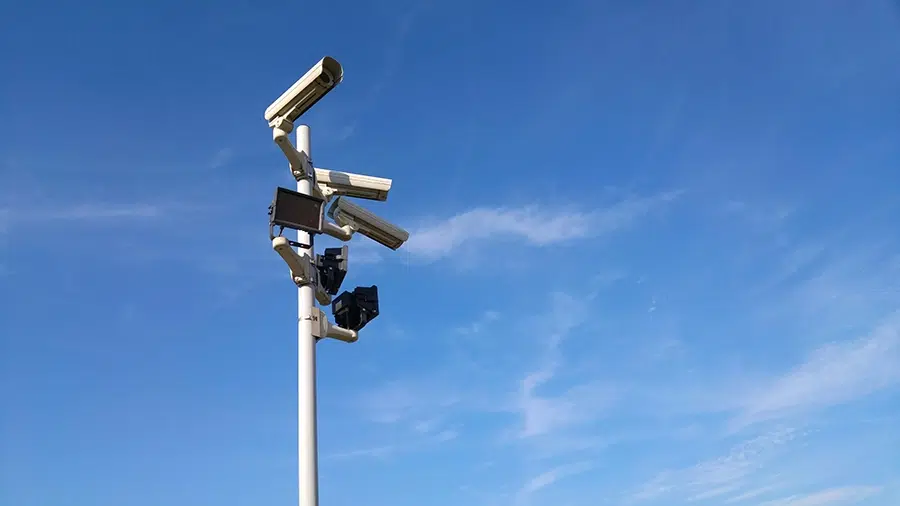
- Legacy analogue cameras remained in use alongside new digital systems
- No need for a full rip-and-replace upgrade
- A clear path toward higher-resolution, future-ready monitoring

From Reactive Operations to Remote Command
When blind spots are removed, operations fundamentally change.
Instead of reacting to uncertainty, teams can:
- Validate before acting
- Avoid unnecessary interventions
- Reduce operating costs
- Improve HSE outcomes
One of the most immediate impacts was a reduction in emergency helicopter deployments, turning what was once a default response into an exception.
This is the real shift:
From connectivity as a utility to visibility as a strategic capability.
The New Standard for Unmanned Offshore Rigs
As offshore operations continue to evolve and become more distributed, automated, and remote, the need for dependable situational awareness will only grow.
Stopping blind spots isn’t about deploying more technology. It’s about deploying it intelligently:
- Optimize data before expanding bandwidth
- Combine connectivity with edge intelligence
- Design for resilience, not just reach
- Enable visibility that drives decisions, not just monitoring
Because in unmanned environments, visibility isn’t just helpful, it’s essential for control.
See More, Spend Less, Operate Smarter
Operators no longer have to choose between cost and visibility. With the right architecture, it’s possible to restore full sight across offshore assets without overloading networks or inflating budgets.
And when that happens, the benefits extend far beyond connectivity:
You gain clarity, confidence, and control over your operations, no matter how remote they are.
Want to eliminate blind spots across your operations?
Contact Speedcast to explore a smarter, more resilient approach to remote visibility.