

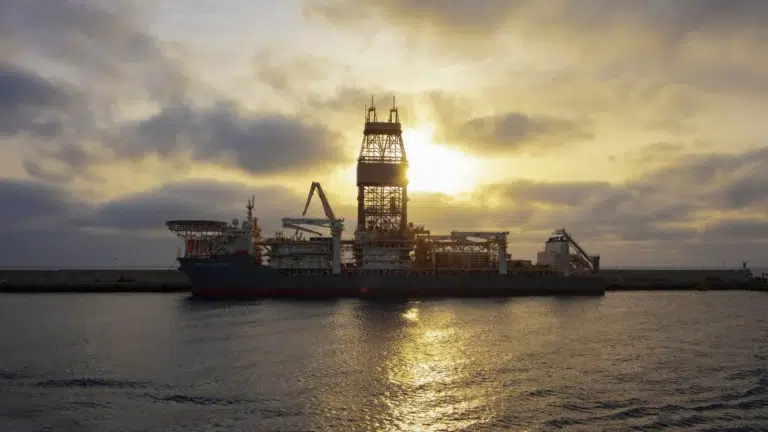
The global energy industry is in the midst of a quiet but profound transformation. While cloud computing once dominated digital strategies, leading energy companies are now shifting toward a different model that brings intelligence closer to where operations actually happen.
This shift is commonly referred to as smart edge computing, and it is rapidly becoming the foundation for next‑generation energy operations. From upstream extraction to offshore production and industrial assets, energy leaders are discovering that cloud‑first architectures alone can no longer meet the demands of scale, safety, resilience, and real‑time decision‑making.
The Reality of Energy Operations
Energy operations are unlike traditional enterprise environments. They are defined by:
- Remote and geographically dispersed sites
- Limited rack space, power, and cooling
- Harsh physical conditions
- Safety‑critical, real‑time control loops
- Massive volumes of sensor and machine data
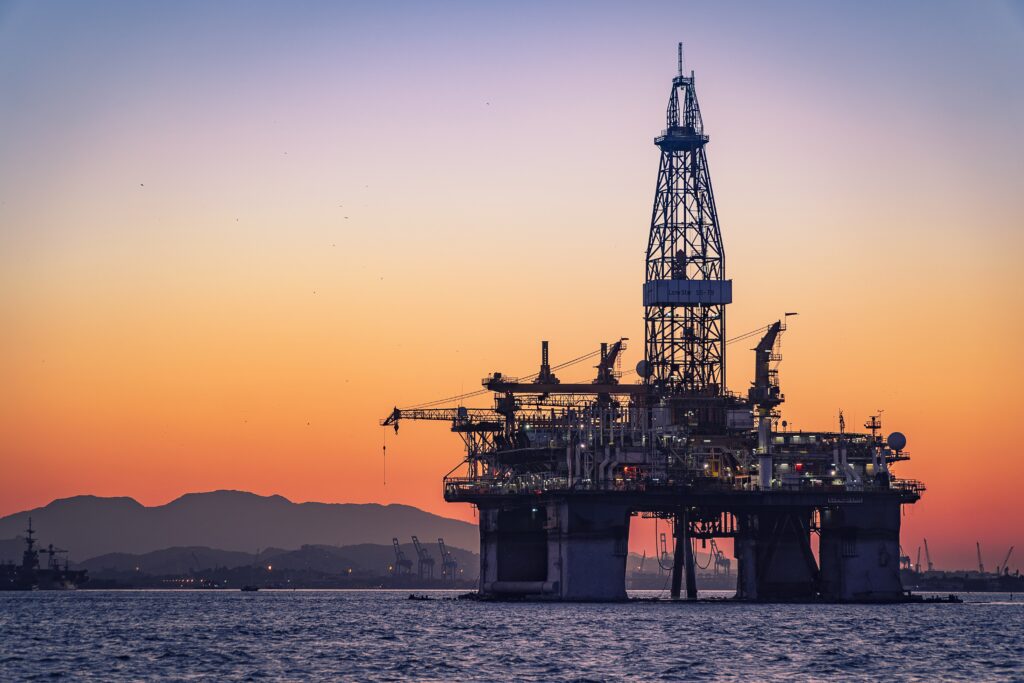
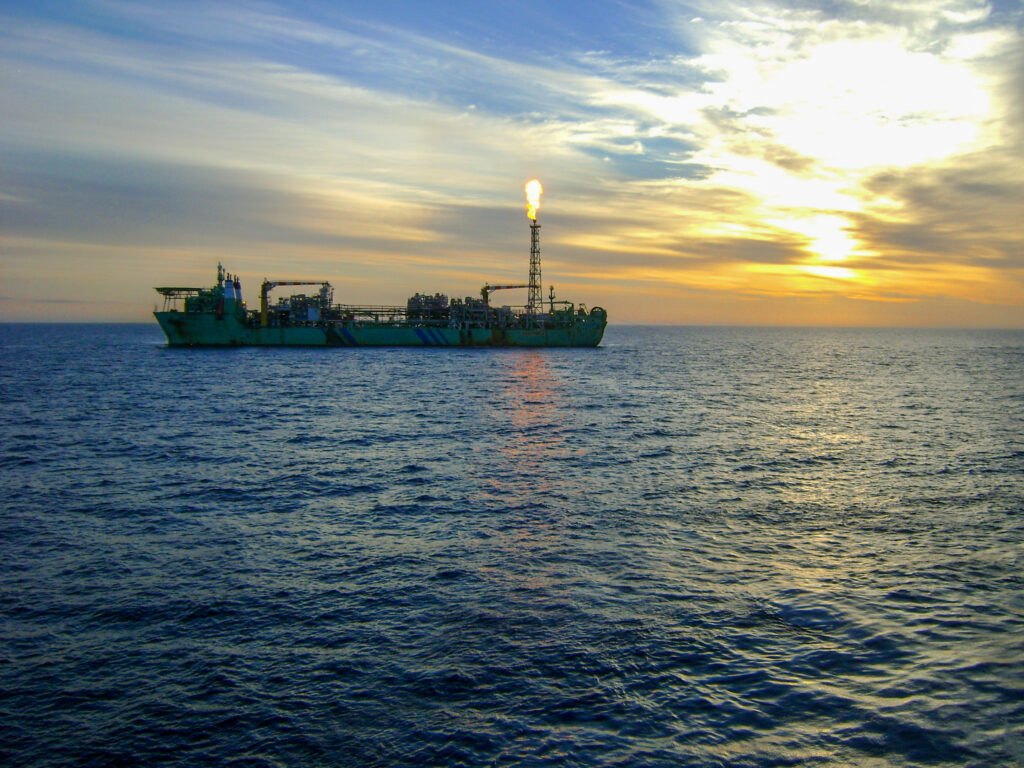
A single industrial site or offshore platform can generate terabytes of data every day—from vibration, pressure, temperature, acoustic, and video sources. Yet historically, only a fraction of that data has been analyzed in real time (Cisco). The bottleneck has not been analytics or AI capability, but where computing and control take place.
When decisions must be made in milliseconds, waiting for cloud round‑trips, especially over constrained or high‑latency networks, simply isn’t viable.
Cloud computing remains essential for centralized analytics, training AI models, and enterprise coordination. But in energy environments, cloud‑only architectures face structural limits:
- High latency that breaks real‑time control loops
- Bandwidth constraints that limit raw data transmission
- Data sovereignty and regulatory restrictions
- Dependence on always‑available connectivity
As a result, energy leaders are adopting hybrid architectures that combine cloud scale with edge intelligence, allowing critical workloads to run locally while synchronizing insights upstream when connectivity allows.

What “Smart Edge” Really Means
Smart edge computing goes beyond simply placing servers at remote sites. It represents an integrated approach that combines:
- Local compute and storage for deterministic performance
- Virtualized network functions delivered in software
- AI inference running where data is generated
- Intelligent, multipath connectivity to ensure continuity
- Centralized orchestration and management across all sites
In this model, edge locations are no longer isolated infrastructure islands. They become fully managed, intelligent nodes in a distributed operational fabric. Having the right systems in place enables customers to leverage trained machine learning models that are capable of applying learned patterns to new, unseen data to make real-time predictions, decisions, or generative outputs.
The Role of Multipath Connectivity
One of the most important enablers of smart edge adoption is multipath connectivity.
Rather than relying on a single network, modern energy architectures blend multiple paths, such as low‑earth‑orbit (LEO) satellite, geostationary satellite, and terrestrial links, into a single, resilient connectivity layer.
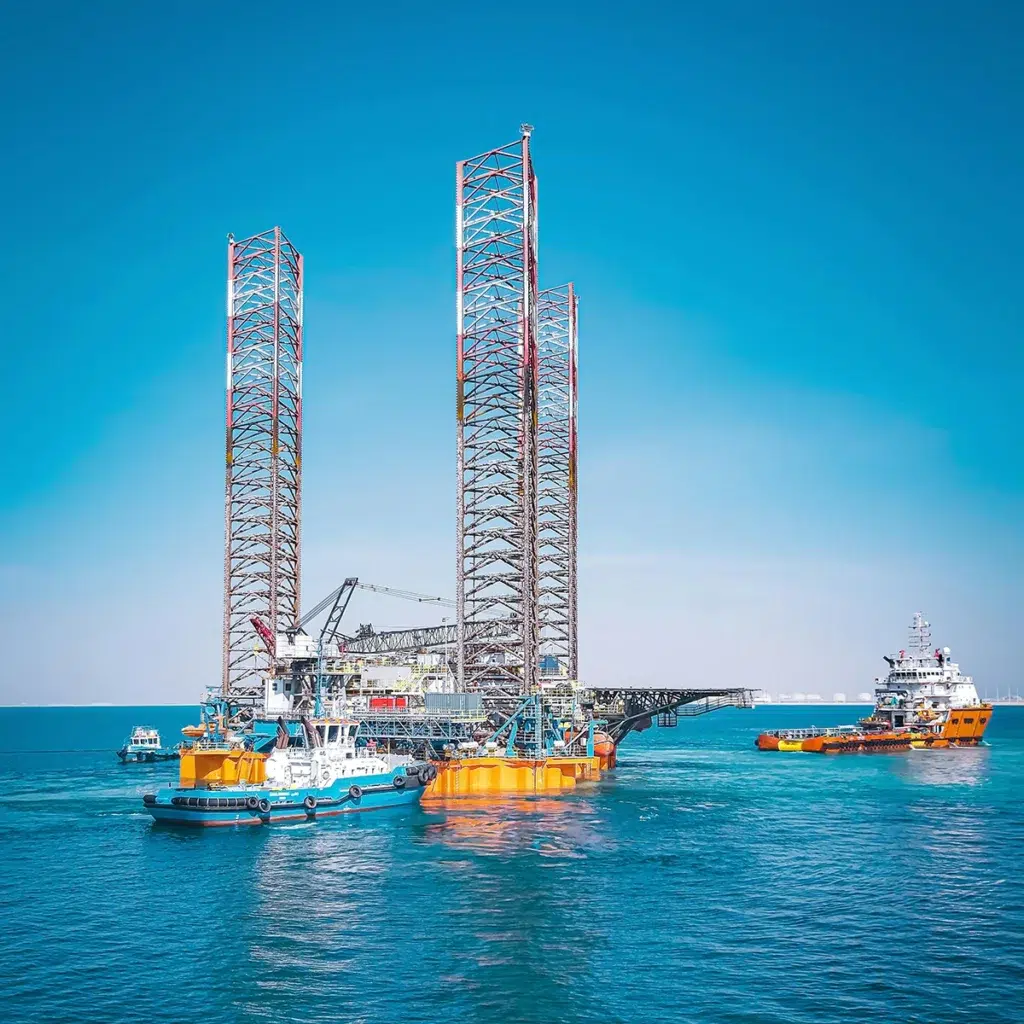
LEO technology has been a major inflection point. With latency measured in tens of milliseconds rather than hundreds, satellite connectivity can now support operational workloads, not just basic communications. When combined with intelligent multipath routing, this approach ensures that if one link degrades or fails, operations continue seamlessly over another, making connectivity disruptions operationally irrelevant.

AI at the Edge: From Insight to Action
Artificial intelligence is already delivering measurable value across the energy sector by improving drilling efficiency, reducing non‑productive time, optimizing production, and enabling predictive maintenance.
However, the true potential of AI is unlocked only when inference runs locally at the edge:
- Real‑time decisions are made without cloud dependency
- Control loops remain intact during network degradation
- Sensitive operational data stays on site when required
- AI systems continue learning and improving over time
Large‑scale deployments of edge‑based predictive maintenance have demonstrated how AI value compounds—detecting anomalies weeks before failures, reducing downtime, and generating exponential returns as models refine themselves with growing datasets.
The Hidden Challenge: Operating at Scale
While edge computing, AI, and multipath connectivity solve many technical problems, they introduce a new operational challenge: scale.
Energy companies often operate:
- Hundreds of remote sites
- Thousands of devices and applications
- Multiple vendors and network technologies
- Environments with little or no local IT staff
Managing this manually is neither efficient nor sustainable. This is why energy leaders are rethinking the role of IT, and investing in new tools to support it.

Empowering IT: The Future of Operations
The future of IT in energy is no longer about supporting individual locations. It is about operating fleets of environments with consistency, visibility, and control.
This requires a unified management layer that spans:
- Connectivity across all network paths
- Edge compute and application health
- AI workloads and lifecycle management
- Automated updates, monitoring, and rollback
- Integration with enterprise ITSM and analytics systems
When IT teams have a single operational view, rather than dozens of disconnected dashboards, they can move from reactive troubleshooting to proactive optimization, dramatically reducing risk and operational friction.
Platforms like Speedcast’s SIGMA Intelligent Edge embody this approach, combining edge compute, virtualized networking, multipath connectivity, and centralized orchestration into a single, scalable framework designed for energy realities.
Why Energy Giants Are Making the Shift
The transition to smart edge architectures is no longer experimental. Leading energy companies are adopting it because it delivers what legacy models cannot:
- Continuous operations even when individual network links fail
- Real‑time AI and automation where latency matters
- Reduced hardware sprawl and lower power consumption
- Faster deployment of new capabilities across all sites
- A future‑ready IT model built for distributed operations
In short, smart edge doesn’t just modernize infrastructure, it redefines how energy is produced, managed, and optimized.

The Road Ahead
The energy industry will continue to digitize, automate, and decentralize. Those who succeed will be the ones who recognize that resilience comes not from perfect connectivity, but from architectures designed to absorb change without disruption.
Smart edge is not about replacing the cloud. It’s about completing it.
And as more energy giants make the switch, one thing is becoming clear: the future of power is distributed, intelligent, and built at the edge.
Ready to transform your Energy operations?
Contact Speedcast to discuss your requirements.